What California still taxes after you move
California taxes each vest based on how much of the time between the grant date and the vest date you worked in the state. Moving doesn’t change that for grants you already have.
Because of that, I’d save your grant schedules before you move and keep a record of where you work each day, including business trips and remote days. Your tax preparer will need that to split the income between states.
| Planning area | What to review |
|---|---|
| Before the move | Note your move date, your work arrangement, your outstanding grants, and any payroll changes. Make sure whoever prepares your return is comfortable with both states. |
| While your grants vest | Keep track of the days you work in each state. Business trips and remote days count. |
| When shares vest and when you sell | The wage income from vesting and the gain from selling are allocated to states separately. Check that the state withholding on your paystub matches where you actually worked. |
| At tax time | Give your preparer the payroll records for both states, your grant and vest dates, and your record of workdays. |
- What to review
- Note your move date, your work arrangement, your outstanding grants, and any payroll changes. Make sure whoever prepares your return is comfortable with both states.
- What to review
- Keep track of the days you work in each state. Business trips and remote days count.
- What to review
- The wage income from vesting and the gain from selling are allocated to states separately. Check that the state withholding on your paystub matches where you actually worked.
- What to review
- Give your preparer the payroll records for both states, your grant and vest dates, and your record of workdays.
An example: one grant, four vests
Suppose you were granted 1,000 RSUs on January 1, 2025, and 250 vest each January 1 from 2026 to 2029. You work in California until June 30, 2026, and then move to Washington. Using months as a stand-in for workdays, here’s how much of each vest California would tax:
| Tranche | California share of grant-to-vest | California-source |
|---|---|---|
| Vests January 1, 2026 | 12 of 12 months in California | 100% |
| Vests January 1, 2027 | 18 of 24 months in California | 75% |
| Vests January 1, 2028 | 18 of 36 months in California | 50% |
| Vests January 1, 2029 | 18 of 48 months in California | 37.5% |
- California share of grant-to-vest
- 12 of 12 months in California
- California-source
- 100%
- California share of grant-to-vest
- 18 of 24 months in California
- California-source
- 75%
- California share of grant-to-vest
- 18 of 36 months in California
- California-source
- 50%
- California share of grant-to-vest
- 18 of 48 months in California
- California-source
- 37.5%
A simplified example. The real calculation uses your actual workdays and your grant’s vesting schedule.
Notice that even the vest in 2029, two and a half years after the move, is still more than a third California income. It’s much easier to plan for that before you move than to find out at tax time.
A good question for your tax preparer
“For each grant that vests after I move, which period and which work locations count?” It’s easy to assume only the new state’s rules matter, and that’s usually wrong.
If you’re moving to Washington or New York
Washington. Washington doesn’t have an income tax, so it won’t tax your RSUs when they vest. It does have a capital gains tax, which is 7% on gains up to $1 million and 9.9% above that, after a standard deduction. That applies when you sell shares at a gain.
New York. New York taxes RSUs based on where you live when they vest. In a 2024 ruling, it taxed all of an employee’s RSU income that vested after they moved to New York, even though the grant was made before the move. So if you move from California to New York with grants still vesting, both states may tax part of the same income, and your tax preparer will need to work out whether you can claim a credit.
How this works at your company
The rules above are the same wherever you work. These guides cover what’s specific to each company.
Meet your financial advisor
Simple Money Advisors LLC is a California state-registered investment adviser.
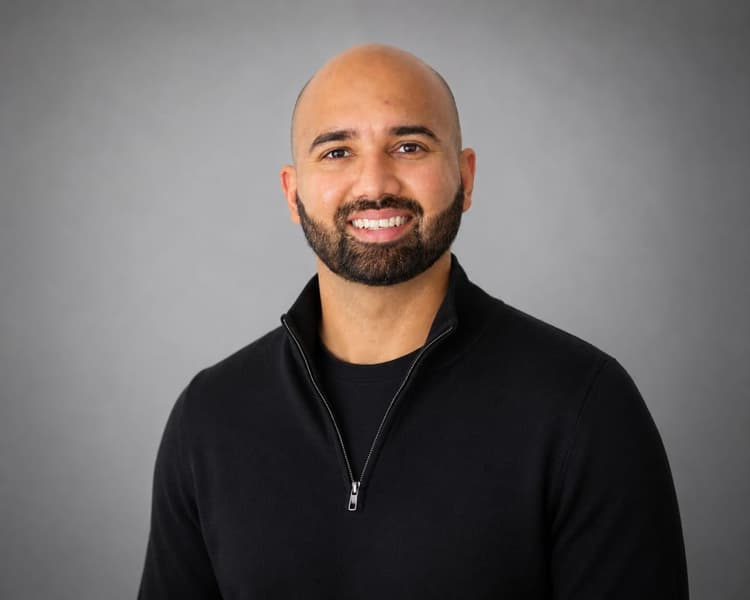
Vaibhav Goel
Co-founder of Simple Money · Registered financial advisor · SEC record
Investment adviser representative, registered with the State of California.
Vaibhav spent fifteen years building products at Google, DoorDash and Microsoft before becoming a licensed advisor. He works with people in tech on the whole picture, equity, taxes, investments and cash flow, as one plan rather than four.
Vaibhav Goel on LinkedIn