
How to choose a financial advisor as a Google employee
By Vaibhav Goel, registered financial advisor (SEC record) · Formerly a product director at DoorDash, ex-Google, ex-Microsoft · LinkedIn
Updated September 17, 2026
Start by asking whether you need one. Google already gives you planning consultations through Goldman Sachs Ayco and Vanguard, and for one grant and a 401(k) that may be enough. You need more when the pieces start pulling against each other: a large Alphabet position, a mega backdoor Roth, a move out of California, a house. The test of any advisor is whether they can explain the five Google-specific things below before you hire them.
What an advisor has to get right at Google
Most of financial planning is the same for everyone. The part that is not is where a Googler’s money actually lives, and it is what an advisor should be able to explain. Ask about these before you ask about anything else.
Concentration has a mechanism, not just a warning
Everyone will tell you to diversify. The useful advisor knows Alphabet’s Employee Trading Plan program lets a sell-at-vest rule run through a closed window, that new shares carry almost no gain while old lots do, and that lots from before the 2022 split need their basis checked.[11]
The mega backdoor Roth is two steps, and Google automates one
After-tax contributions start on their own once you pass the deferral limit; the Roth conversion is yours to make at Vanguard, and the conversion route is not described in the proxy or the plan’s audited statements. An advisor who has done this for a Googler will know the current mechanics.[31][33]
Leaving California does not leave California
Grants that vest after a move can still be partly California income, sourced by where you worked between grant and vest. The workday records have to be kept from the day you decide to move.[14]
Grants have a calendar, and refreshes are not promised
New-hire and refresh grants are dated the first non-holiday Wednesday of the month, vest on a schedule only your GSU Details show, and are forfeited the day you leave. A plan that spends a refresh grant before it is awarded is not a plan.[31]
Start with what is free
Google’s plan adviser is Goldman Sachs, and Goldman Sachs Ayco and Vanguard provide financial wellness education and planning consultations through work.[12] Use them first. Where they usually stop is your partner’s accounts, the money outside Google, and carrying the plan out over time; if that is where your questions are, that is the gap an outside advisor fills.
How to read an advisor before you hire one
| Check | What to look for |
|---|---|
| Registration | Registered advisers and their representatives have a public record on the SEC’s adviser search. Look up the firm and the person: registration, history, and any disclosures. If you cannot find them, ask why. |
| Fiduciary duty | A registered investment adviser owes you a fiduciary duty. Ask them to say so in writing, and ask what else they are paid for. |
| The fee | A percentage of assets, a flat annual fee, or an hourly rate. Each is fine; what matters is that you can state the dollar figure for your situation and what it buys. Form ADV Part 2A, the disclosure brochure, has to list it. |
| Tax work | Ask who prepares the return and who coordinates withholding, estimated payments, and the cost-basis fix on Form 8949. Advisers who do tax strategy may not file returns, so ask exactly who does and make sure the seam is covered. |
| Equity fluency | Ask the five questions above. Listen for specifics: net-share withholding, the Employee Trading Plan, the after-tax auto-enrollment, grant-to-vest sourcing. |
| Scope | Household or just you. Investments only, or the plan. What you get in year two, not just the first quarter. |
- What to look for
- Registered advisers and their representatives have a public record on the SEC’s adviser search. Look up the firm and the person: registration, history, and any disclosures. If you cannot find them, ask why.
- What to look for
- A registered investment adviser owes you a fiduciary duty. Ask them to say so in writing, and ask what else they are paid for.
- What to look for
- A percentage of assets, a flat annual fee, or an hourly rate. Each is fine; what matters is that you can state the dollar figure for your situation and what it buys. Form ADV Part 2A, the disclosure brochure, has to list it.
- What to look for
- Ask who prepares the return and who coordinates withholding, estimated payments, and the cost-basis fix on Form 8949. Advisers who do tax strategy may not file returns, so ask exactly who does and make sure the seam is covered.
- What to look for
- Ask the five questions above. Listen for specifics: net-share withholding, the Employee Trading Plan, the after-tax auto-enrollment, grant-to-vest sourcing.
- What to look for
- Household or just you. Investments only, or the plan. What you get in year two, not just the first quarter.
Where we fit
Simple Money is a small advisory firm, registered in California, built for people in tech. I worked at Google for years before I became an advisor, so the GSU calendar, the withholding surprise and the mega backdoor mechanics are things I have lived through rather than read about. Google’s own planning consultations are free and worth using first. If your questions have outgrown them, a first call costs nothing, and I will tell you plainly whether you need an advisor at all. Fees and everything else are in our Form ADV Part 2A.
Sources for this section
- Alphabet: 2025 Form 10-K [2]
- IRS Publication 15 (2026): supplemental wages [4]
- Alphabet: policy against insider trading [11]
- PLANSPONSOR: 2026 Alphabet retirement-plan profile [12]
- California FTB: Publication 1004 [14]
- Alphabet: 2026 proxy statement [31]
- US Department of Labor EFAST2: Google LLC 401(k) Savings Plan, 2023 Form 5500 [33]
A common question
Do Google employees need a financial advisor?
Not everyone does. It tends to be worth it when equity, taxes, a large single-stock position, and household goals have started pulling against each other. If your situation is simpler than that and you enjoy running it, a written plan and occasional professional help go a long way. Ask about scope, fees, and minimums before you commit either way.
Connect this to your wider plan
Meet your financial advisor
Simple Money Advisors LLC is a California state-registered investment adviser.
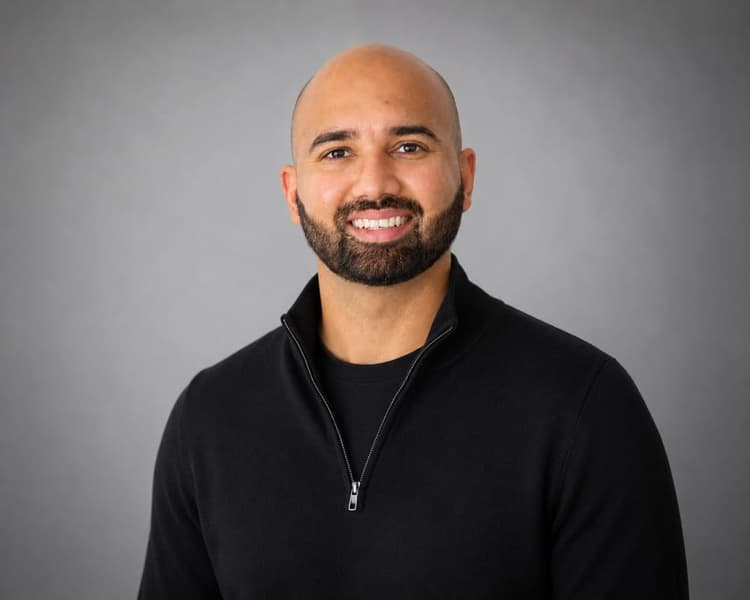
Vaibhav Goel
Co-founder of Simple Money · Registered financial advisor · SEC record
Investment adviser representative, registered with the State of California.
Vaibhav spent fifteen years building products at Google, DoorDash and Microsoft before becoming a licensed advisor. He works with people in tech on the whole picture, equity, taxes, investments and cash flow, as one plan rather than four.
Vaibhav Goel on LinkedInA complimentary conversation about your goals and whether our services are the right fit. No obligation.